St. Vincent’s self-titled fourth album is the culmination of all the quirky, musical ambition she’s put on display in the past, placed neatly in a tight, 40 minute package. Start to finish, the album runs almost like a greatest hits catalog; it’s a parade of high-quality alternative tracks that are short, but pointed and energetic. The glitchy, almost robotic guitar riffs on “Birth in Reverse” and the funky, splatting horns and bass on “Digital Witness” probably create the most memorable moments on the album. Throughout though, St. Vincent captures our attention with her unpredictable melodies, killer guitar playing, witty lyrics and weirdo vocal performance.
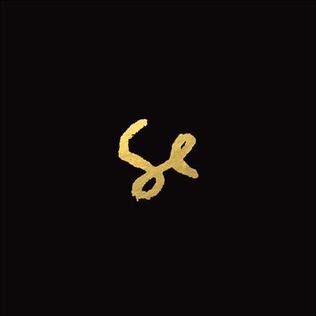
The self-titled debut record electronic indie duo Sylvan Esso is a cute, feel good indie pop album that’s a product of its time in the best way possible. There’s a cool, laid back, sophisticated aura about the record that makes it fitting for a hipster coffee shop, as well as a playful electricity that makes you want to sing and dance along to it at a party.
On moments like “Hey Mami,” “Wolf” and “Coffee,” the duo shows they have more musical finesse than most other electronic indie pop acts of the mid 2010s (CHVRCHES, Phantogram and Glass Animals, for example). Most tracks are built on bouncy synth beats and computerized vocal rounds, which makes the tracks feel light and airy with a constant forward motion. The lyrics and imagery across the record are simple, and a little childish at times, but mature in meaning, and some of the more reflective moments on the record — “Could I Be” and “Uncantena” — are really effective. The duo creates a district sound with an upbeat curiosity that I thoroughly enjoy.
On Benji, Sun Kil Moon reflects on his past with highly-personalized story telling that contemplates much of the second-hand trauma he’s witnessed his family, friends and community suffer through. He tells the stories of those who tragically died too young and left families behind. He speaks of various crimes and their macro and micro implications. He talks about sex, and love, and heartbreak. He remembers his father, and points out some of his flaws while also sharing the valuable lessons and experiences and love that he felt through his youth. And throughout the stories, he references the albums, songs and experiences of his youth that shaped him as a musician and a person.
This is a lyric-driven record, and Sun Kil Moon’s stories are consistently captivating. Even if his often conversational vocals lack traditional melodic movement, his cadence, his dynamics and those scattered melodic builds so beautifully convey his emotions and words. Musically, the album features looping acoustic guitar melodies, who’s reverberating echo mixes with soft backing vocals and production elements to create simple but breathtaking settings.
Noname has definitely developed her own sound and style; that much is clear after two records. 2018’s Room 25 hits a lot of the same vibes and notes as 2016’sTelefone. It’s jazzy, smooth, close, a bit dreamy and brief (only 34 minute’s long compared to 33 minutes by its predecessor).
However, Noname shows her maturity here. Her flow and bars are a little more aggressive, her barbs a little more pointed. “Self” is more reflexive. “Blaxploitation” is sharper than anything on her debut. “Prayer Song” is quicker. “Window” is more layered. All while maintaining the same level of sophistication in her presentation, because when you listen to Noname, you feel her intelligence and artistry.
The best songs here I think are more dynamic and memorable than those on Telefone. But the package as a whole is a little less consistent in tone, and with Noname’s added maturity, you predictably lose some of the youthful charm and innocence that helped tie all of Telefone together. A small, understandable hiccup for an otherwise really well done mixtape.
While people were out celebrating Chance the Rapper’s mixtape Coloring Book in the summer of 2016 because of his warm personality, laid back and authentic demeanor, and pleasant — sometimes grand — gospel-forward production, another Chicago rapper released her own mixtape that gave off similar nostalgic, youthful and warm vibes.
However, Noname’s Telefone is soulful instead of preachy, contemplative instead of peachy, and in a stripped down package that’s more reminiscent of D’Angelo than Kanye.
Telefone is jazzy and soulful, with production that sometimes has a daydream kind of quality that’s chill and relaxed, but still upbeat. Delivering smart lyrics, Noname’s voice is soothing, providing the clarity and comfort of a warm cup of coffee after a somewhat restless night.
Her thought provoking, coming-of-age story telling at times feel closer to a spoken word poet reading over pristine instrumentals than a traditional emcee. The other collaborators on the record — like theMIND and SABA, who has a verse and produces a number of the tracks — fit in with the album’s overall feeling as well.
While Noname’s songs don’t reach the anthemic, sing-a-long quality of her Chance’s charismatic singles from 2016, the intimate presentation gives Telefone a level of sophistication that pairs with Noname’s charm and subject matter.
Every track on Little Simz’ GREY Area shows how effortlessly talented the British rapper is.
Her 2019 release is her third album overall, but was the first to really gain traction with U.S. hip-hop heads. She comes off as very confident, delivering sharp lyrics with a quick cadence that’s at times powerful and other times playful while still maintaining a serious tone. The album is extremely crisp—a breezy 35 minutes—with clean, simple production. While others in the British hip-hop scene can sometimes get tiresome or repetitive over a full album for folks who don’t dive into the genre often, Simz does a lot to make each song sound different, catchy and smart.
Simz has cool aggression and confidence on “Offence,” with a funky and fuzzy bass riff that really interestingly pairs with light strings, pianos and backing vocals. “Boss” follows up with a similar, simple drum and bass track but also brings a rock-influenced distorted chorus. The reflective “Selfish” has a soft piano part that feels like a “Dead Presidents” sample, with Cleo Sol providing a pensive chorus and backing vocals, giving it a golden age hip-hop vibe when mixed with Simz personal verses. Then “Wounds” and “Venom” bring these eerie backing elements and guitar riffs that give Simz a chance to deliver some of her fierce bars. “101 FM” in contrast is lighter, bouncy and serves as what could have been a traditional, summery single.
The back half of the record offers a little less diversity in terms of sound, with most tracks being a similar, slower tempo and Simz utilizing a more serious, consistent flow that does a good job at telling her story but isn’t always as energizing. You do get nice energy in segments of “Pressure,” which features some cool glitch from indie electronic artist Little Dragon, and the Michael Kiwanuka-featured closing track “Flowers” reintroduces a little more musical color with some jazzy drums, bass and trumpet.
Compared to the band’s first three records, Reflektor was the first time you could say Arcade Fire missed the mark.
Reflektor was a clear shift in direction for the band. Produced by LCD Soundsystem’s James Murphy, instead of the band’s signature folky chamber pop, anthemic choruses and quaint stories, we get long, drawn out tracks with Bowie-esque 1980s swagger, accents of synths and computerized percussion. After a decade making music, some change musically and thematically is expected, but the bloated double album is in no way perfect.
On Disk 1 “Flashbulb Eyes,” “We Exist,” “You Already Know,” and “Joan of Arc” aren’t exactly bad, but feel a little clunky and awkward, and aren’t up to the standard the band set for themselves prior. The songs are missing some heart, as the band decided to create these new characters in an attempt to distance themselves from their more innocent, personal sounding music of the past. The lyrics are bland and repetitive, and the musical performance is flat.
But Disc 2 — at 6 songs and a little over 39 minutes in length — is really powerful, and operates at the highly artistic and emotional level the band’s known for, even if stylistically it sounds different.
“Awful Sound” has the dramatic highs and lows of a classic Arcade Fire track. “It’s Never Over” feels like a prog rock song with a tremendously tender call and response section near the end that’s really moving. While talking about death, “Afterlife” has a freeing, child-like playfulness to it, a hallmark of the band’s earlier records.
The benefits of bringing Murphy in to produce are also on full display on “Porno” and “Supersymmetry.” “Porno” uses this sleazy, heavy handed synth and bass melody during the verses that contrast with soft strings and haunting, echoing, electronics later on. “Supersymmetry” blends space-aged computer loops and cinematic strings to create a lovely closing note for the album.
If you add in the wonderful, disco influenced title track featuring David Bowie on backing vocals, and the celebratory rock tracks “Normal Person” and “Here Comes the Night” from Disc 1, you would have a fabulous hour of tracks that spans different styles of rock music. Ultimately though, the band bit off a little more than they could chew, falling in love with the idea of a showy, double-disc concept album that would have been better off in a conventional, easy to consume package.
The 2010s are coming to an end, and to celebrate I’ve put together a playlist of my 200 favorite songs from the past 10 years.
If you read my 102 best albums of the decade list, you’ll notice some familiar faces on this playlist. You’ll also find some well known artists, some one hit wonders, some extremely popular tracks and some more obscure ones. There were no rules to making this list, other than the songs included had to have been released between 2010 and 2019. And the songs are in order from best to…less best (they’re all very good songs).
To view the list, scroll to the end of this article.
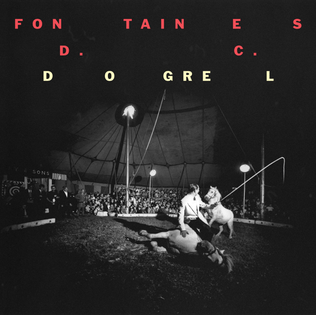
Dogrel is authentically punk, with driving drums and guitar, fun, ra-ra energy and post-punk monotone vocals that deliver smart lyrics with repetitive, singalong refrains. But for a punk album, it’s surprisingly even tempered.
Compared to their Irish 2019 contemporaries, FONTAINES D.C. isn’t as angry and in your face as IDLES, they don’t have the rebellious attitude of Shame or the raw heft that The Murder Capital carries with them.
FONTAINES D.C.‘s sound is quite quaint in comparison. Tracks frequently use brighter, open sounding guitar chords and softer effects; sometimes light, Smith’s like cynicism mixed with the grit of the Clash. They use the music to build up the character of their themes and to paint a picture of their childhoods and hometown of Dublin, instead of just shouting aggressively about Irish politics and culture. Grian Chatten’s words feel honest and personal.
“Too Real” is the closest you get to that shouting, ready to fight feeling, but the way the band strips away the instruments at times and just leaves the vocals and drums to build up energy helps keep things grounded. Grian Chatten can rely on that thumping drum to convey the message instead of delivering an over dramatic or agitated performance.
Taking those direct punk and rock cues from the 70s or 80s leads to a much more radio friendly and approachable package for the post-punk genre. “Television Screen,” “Hurricane Laughter” and “Boys in the Better Land” have the energy of The Libertines or the Arctic Monkey without the raucous. “The Lotts” has a dark, Peter Hook kind of bass line. And “Roy’s Tune” is a good, honest, rock track, hold the punk.
You’ve gotta love it when a band makes their first album in 22 years and it ends up being their best. Like any good shoegaze album, Slowdive creates dense walls of sound on their 2018 release, where the choruses tower over the verses and bridges, and guitars echo around off each other.
One of the pioneering groups of the genre back in the early 1990s, of course the band’s new effort isn’t as experimental and loses some of the grunge edge and melodrama that was prevalent in the old days. But with maturity and age comes confidence and a clear vision of what the band’s setting out to do.
Those heavier moments are replaced with an abundance of modern, ethereal dream pop echoes, vocals that are a bit more dynamic, lines that are more melodic and songs that overall feel warmer, more energized.
The best tracks here can easily go up against the best of their 1990s run. “Slomo” builds wonderfully from start to finish. “Star Roving” and “Everyone Knows” are catchy, upbeat alternative rock tracks with whaling guitars. “Don’t Know Why” has more of a bright, fluttering guitar part that bounces around and settles in as the song reaches its chorus.
What Slowdive does well here is add a little diversity to assure the record doesn’t all feel the same, a common pitfall of shoegaze records the band is able to avoid.
Part of that is the dueling vocal performances by Neil Halstead and Rachel Goswell, as well as some of the softer tracks. “No Longer Making Time” and “Go Get It” start soft and build to more anthemic choruses. “Sugar for the Pill,” and “Falling Ashes” are softer, darker and more reflective, with the less dense production elements allowing a more personalized touch.






 Fresh Out The Deli