Lasers – Lupe Fiasco

YearAlbumArtistStarsScoreGenre
2011LasersLupe Fiasco★½39Hip-HopPop Hip-Hop

In one of the worst efforts ever by a record label to elevate a talented artist, 2011’s Lasers — Lupe Fiasco’s third album — pairs one of hip-hops most serious, lyrically gifted and smooth artists of the late 2000s with the most commercial, poppy, lazy beats with emotionless guest vocalists thrown on the hook they could find. 

After Lupe Fiasco thrived under the quaint aesthetic of his debut Food and Liquor, and expanded his sound with booming and narratively sprawling tracks on The Cool, the overuse of in-your-face pop elements was a jarring disappointment for fans, who had waited more than a year to listen to the record after numerous release delays and non-album teaser singles (“Shining Down” and “I’m Beamin’ ” would easily be the two best songs on Lasers has they been included).  

Lupe Fiasco does still bring some great verses, clever lines and has a level of swagger that shows why he was one of the best at his craft at the time. But there’s only so much you can do to salvage the c- and d-tier beats scattered across this thing. 

Some of the record’s best sounding songs, like “Letting Go” and “Words I Never Said,” actually sound cool, but don’t adequately bring enough edge to match the political content in Lupe’s lyrics. The “Float On” sample on “The Show Goes On” creates one of the happiest, warmest, most intoxicating beats of the early 2010s (which is why it became one of Lupe’s biggest songs), but Lupe’s verses don’t really match, and he sounds like he’s almost sleepwalking through the song. It’s still good, but makes you wonder what he could have brought to the table if he was more enthusiastic about the entire project.

Beyond that though, this album’s a fucking mess. “Beautiful Lasers” has one of Lupe’s best verses of his career, but the song is trying to recapture the epic, anthemic chorus of singles like “Superstar” and “Shining Down,” which both feature Matthew Santos. Autotuned, muffled vocals by MDMA (aka Poo Bear) don’t hit as hard, and the overly sentimental second verse on the song is too on the nose to be particularly moving. That song is followed up with another MDMA track with tired electronics and synths that go nowhere as they accompany a repetitive refrain that isn’t catchy at all. 

“State Run Radio” is an abomination of a “rap rock” song, with awful MIDI guitar riffs, basic drums and an obnoxious hook by a band named SelF that I’ve never heard elsewhere and I’m assuming never amounted to much else. Somehow, the fake, building club beat and unenergetic drum loops on “Break The Chain” are only a small, incremental improvement from the previous track. Lupe honestly doesn’t sound half bad on it, using a quick, energetic flow that shows maybe he could excel on similar electronic songs if somebody had thought it through at all instead of just giving him throwaway, emotionless beat after beat. 

Tucked away at the end of the record is the album’s best track, “All Black Everything.” It’s got a great, energetic, flourishing string sample looped with a dark, backing choir vocal track, and Lupe’s in his element, tackling racism by talking about a fantasy where Black people were never slaves and always had an equitable chance at shaping the world. It’s not his most impressive metaphor or story, but it feels refreshing and authentic on a beat that better suits his narrative. 

Similarly, the closing song “Never Forget You” shows what could have been accomplished on the record if you had a legitimate vocalist like John Legend on the rest of the album’s hooks. It’s admittedly not a great song, but it’s a breath of fresh air compared to the other commercial moments. 

Look, the album isn’t the worst sounding thing in the world. The music is cleanly produced and put together, for the most part it isn’t actively annoying or loathsome to listen to, and Lupe has enough good lines and concepts here and there to partially make up for the few times when he does mail it in. But, the album doesn’t feel Lupe, and what you can feel is the wasted potential and the tension between artists and the changing music landscape.

Disc-Overy – Tinie Tempah

YearAlbumArtistStarsScoreGenre
2010Disc-OveryTinie Tempah★★44Hip-HopPop Hip-Hop

I wouldn’t say Tinie Tempah’s debut record Disc-Overy is good, but I wouldn’t say it’s bad either, and like so many other hip-hop records with pop-leaning production of the post-blog era, there’s a fair amount of mindless fun to be had if you don’t try to dig too deep. 

As a British rapper, Tinie Tempah brings a different kind of swagger and flow to the project that makes it stand out a little in the crowded mess of debut hip-hop records being pushed in 2010. This album in particular leans pretty heavy on the electronic side of the pop spectrum, touching slightly on the hip house and electro hop styles his London peers like Dizzee Rascal explored in the mid-2000s. 

The majority of electronics here, though, tend to take more from London’s Taio Cruz and Labrinth, Ellie Goulding and Swedish House Mafia (the latter three make appearances on the record). There’s glitchy computer and 8 Bit sounds, revving synths and quick drums. When the songs take off — like on “Simply Unstoppable,” “Pass Out” and even “Frisky” and  “Miami 2 Ibiza” —  it’s actually pretty fun, even if it is basic. 

The beats are clearly dated now, but they fit into that timeframe pretty well and do give the album a little extra character and energy, even if it’s obvious Tinie Tempah isn’t one of the best vocalists or lyricists out there. He’s hung out to dry on the more conventional hip hop tracks like “Till I’m Gone” featuring Wiz Khalifa (technically a bonus track that’s added in mid-tracklist  on rerelease) and “Written In The Stars,” but the pair of singles served their purpose as American radio hits well, even if they aren’t anything special. Sill, a lot of this record could have been worse, and being just passable is a triumph in itself.

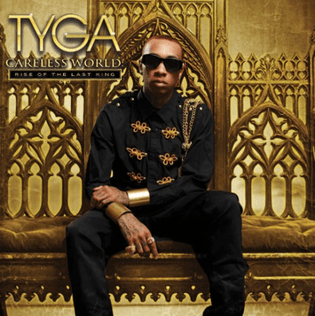
Careless World: Rise of the Last King – Tyga

YearAlbumArtistStarsScoreGenre
2012Careless World: Rise of the Last KingTyga★★½53Hip-Hop

Listening back to Careless World: Rise of the Last King a decade later, I’m sure a lot of the enjoyment is due to the nostalgia that comes from immersing yourself into the post blog-era “up-and-comers” movement Tyga existed in that included clean, pop-forward production and confident flows by rappers like J. Cole, Wale, Big Sean, Wiz Khalifa and B.o.B. (each representing different groups like Young Money, Good Music, Maybach Music, to varying levels of success). 

Careless World: Rise of the Last King is a great time capsule that summarizes the era. It acts as a pretty good bridge between the warmer, pop-heavy production that was prominent beginning in 2010 and the heavier, more trap-focused pop songs of 2012 and 2013. And it features all the recurring characters you’d expect from a big, commercial rap album in 2012, making it a pretty fun record despite its pretty obvious flaws. 

The opening track is an epic place setter that’s a bit over the top but is emblematic of its time. “Lil Homie” is a fun, clap and stomp Pharrell beat and feature, with simple electro synths. Tyga’s flow sounds great on “Muthafucka Up,” and he gets a nice verse from Nicki Minaj while she was at her peak. “I’m Gone” has a standard Big Sean verse and nice, soft, nighttime R&B production. On “Black Crowns,” Tyga tries to be a little more emotional, with a clean, but darker, beat to match the occasion. “Still Got It” is a fine song that works mainly because…well, Drake was so hot at the time that everything he touched in 2012 just worked.

“Faded,” featuring Lil Wayne, and “Rack City” were a smash hit when they came out. The pop trap kind of club bangers of the early 2010s were never really my preferred vibe; they’re usually repetitive, have kind of dark, flat production and are more about the feeling than any kind of lyrical craft. But the two get the job done in the right situation and are some of the better examples of the genre.

The record, predictably, isn’t without its problems. The “hard” tracks that were supposed to serve as technical showcases of the era frequently don’t work, and that is the case here. The lame beat and concept on “Potty Mouth” is weak, and an interesting 45 seconds from Busta Rhymes can’t save the track. In fact, the Busta part is kind of cool, but the beat switch is so out of nowhere that it really feels like the section was a copy/pasted repurposed from some kind of b-side. 

Tyga’s not the most important lyricist in terms of content, but he’s got some clever lines and solid references when he’s clicking. However, on “King & Queens” Tyga gets upstaged by Wale and a below-average Nas verse. Same goes for “Let It Show” featuring J. Cole. I wouldn’t say the songs are total misses, but Tyga doesn’t come out of them looking like he can stand toe-to-toe with his peers as a lyricist.

The big issue with the project though is that it’s way too long, and there are far too many throwaway or flat out bad songs here and there. 

“For the Fame” is a knockoff, even worse version of  “Robocop” from 808s & Heartbreak with a repetitive, tired, whining chorus by Chris Brown and Wynter Gordon. “Celebration,” with T-Pain belting the chorus, is okay, but by 2012 we’re already deep into the waning stages of T-Pain’s run, and it sounded dated even back then. “Far Away” is a standard inspirational track that’s unexciting but fits in with others of the time like “Written in the Stars,” “Battle Scars,” etc.  “Love Game” throws an annoying, repeating sample that sounds like a barking seal at you every 15 seconds and then breaks down into an appalling, cringy bargain-bin dubstep beat on the back half of the track. “Lay You Down” has a Lil Wayne feature and guitar part that’s… fine but unimpressive. 

This has the makings of a solid 12-14 track record if you cut the useless interludes and weaker tracks. But at 21 songs and about an hour and 10 minutes, it’s too much, especially when the majority of it is derivative of itself. 

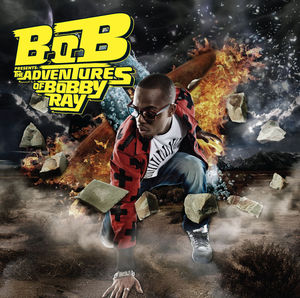
B.o.B. Presents: The Adventure of Bobby Ray – B.o.B.

YearAlbumArtistStarsScoreGenre
2010B.o.B. Presents The Adventures of Bobby RayB.o.B.★½38Hip-HopPop Hip-Hop

Of all of the post blog-era debut albums hat popped up from 2010-12, B.o.B. Presents: The Adventure of Bobby Ray is the most sterilized, generic and pop-radio ready. Simple, repetitive hip-hop drums play behind soft, pop-rock instrumentation; anthemic, sentimental hooks are sung by pop singers; and occasionally an electronic/dubstep-influenced track will try to masquerade as a Southern hip-hop beat. Every moment sounds like it was carefully crafted by the industry to produce a few crossover hits that could attract untraditional hip-hop fans like young kids and middle-aged white women who were a little curious about the genre after enjoying Eminem’s comeback. I’m surprised they even had to slap a Parental Advisory on the cover (maybe they did that to grab actual hip-hop fans’ attention). 

B.o.B. sounds like a happy, nice enough guy who’s excited to be getting his chance, but nothing he does here is original or show stopping. If anything, he sounds like someone trying to be both members of Speakerbox-era Outkast at once, but without any of the biting lyrics or gritty experience.  

Megahits “Nothin’ On You” and “Airplanes” blew up on radio almost entirely because of Bruno Mars and Hayley Williams’ contributions on the hooks (and Eminem’s verse on the remix), not because of anything B.o.B. brought to the table. “Magic” had its moment because of Rivers Cuomo’s Weezer-esque chorus and beat. People listened to “Past My Shades” specifically to get their Lupe Fiasco fix, and listened to “Bet I” to check out T.I., who “found” B.o.B. before he broke out. “The Kids” heavily samples a track off Vampire Weekend’s self-titled debut record, a cute song that closes out that album nicely but never at all sounded like a hip-hop beat. If anything, it just serves as an opportunity for B.o.B. to sing a little and to show off the up-and-coming Janelle Monae to a larger audience. 

I will say, the handful of times B.o.B. does sing on his own, he sounds pretty good. Maybe the prominence of guitars and pianos across the album could have been better utilized to highlight his talents as a singer instead of a rapper.

Because of how clean and shiny and happy this album is, it’s actually pretty easy to get through, but it’s an example of how something doesn’t have to sound bad to be bad. Beyond “Nothin’’ on You” and “Airplanes” (which I’ve never really been a fan of), there is no substance or style here at all. It’s a bland pop album with a hint of Southern hip-hop flair sprinkled here and there as a garnish.  

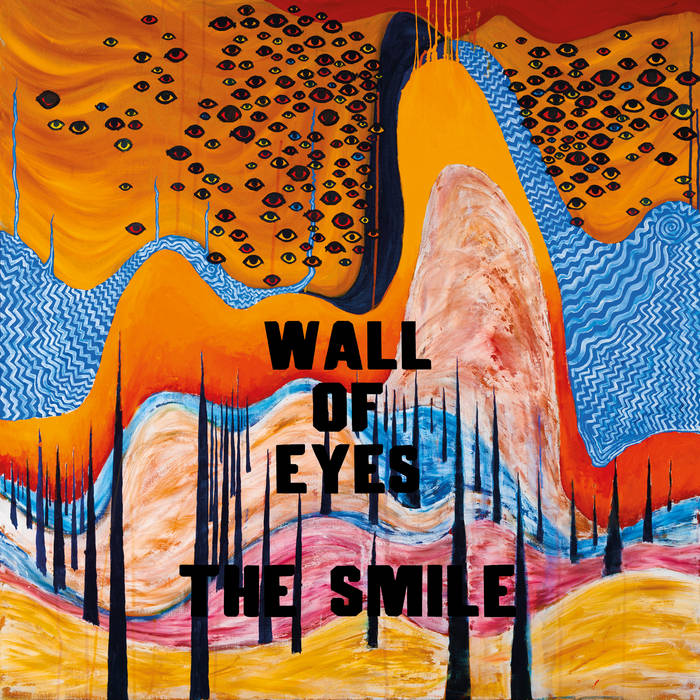
Wall of Eyes – The Smile 

YearAlbumArtistStarsScoreGenre
2024Wall of EyesThe Smile★★½58RockAlternative Rock

Wall of Eyes, the second record by Radiohead side project The Smile, is a more mellow, subdued effort compared to 2022’s A Light for Attracting Attention

Even more so than on the first record, Jonny Greenwood’s orchestrations are the star of the show, transforming soft, otherwise forgettable tracks into wonderful blooms of color. Peaceful tracks become eerie, dissonant landscapes, and zen moments occasionally build to an explosion of strings and electric guitar. 

There isn’t too much intrigue or energy though in the base melodies and chords the songs build off of. Most tracks start off with meandering, light guitar work and subtle vocals by Thom Yorke that — as pleasant as they are and as welcoming as any new Yorke track is for starving Radiohead fans — aren’t particularly memorable on their own. “I Quit” probably has the best orchestral work here, and the warmer vibes make it stand out a little compared to the other soft moments –  “Friend of a Friend,” the title track, the ambient-inspired “Teleharmonic” and the piano-based closing track “You Know Me!” They’re all fine to an extent, and pretty instrumentation and chords fade in and out, but they’re missing some edginess.    

We still get a good hypnotic, math-rock inspired guitar jam in “Under our Pillows,” which has a cool, dark, key changing chorus and loose bridge that fills the role of a “Thin Thing” or “The Opposite” on the prior record. We get a heavy, plodding, almost stoner metal punk track with “Read the Room,” which has some trippy synths, mood swings and killer drum and bass work. And “Bending Hectic” — a  concert standout that was released as the record’s first single — is a beautiful freeform song with daydream-like, reflective verses and a huge, hard rock conclusion. 

For a band that started loosely as a “post-punk” project, this album could have used a bit more  punk energy, quick drums and electric guitar. What happened to the edge they brought to “You Will Never Work In Television Again,” “A Hairdryer” or “We Don’t Know What Tomorrow Brings”?  Radiohead’s artsy side makes everything they touch a bit unique, but without the rock energy The Smile previously brought, Wall of Eyes all falls a little flat.  

Remind Me Tomorrow – Sharon Van Etten

YearAlbumArtistStarsScoreGenre
2019Remind Me TomorrowSharon Van Etten★★★★80PopIndie Pop

Remind Me Tomorrow is not as intimate as some of Sharon Van Etten’s other albums — like 2014’s highly personal Are We There or 2011’s indie-influenced Tramp.  Instead, her 2019 release it’s probably her most accessible and upbeat, at least in terms of the instrumentation. 

Where Van Etten traditionally croons over raw, electric guitar, pianos and chamber-forward production that’s emotional, but sparse and chilling at the same time, Remind Me Tomorrow’s tracks include more electronics and grand builds, making it musically closer to an art or indie pop record than an indie rock one. There are brighter pop techniques like synths and drum and bass loops and anthemic hooks, even though she’s still delivering emotional lyrics about her troubles. 

The soaring vocal and piano melodies on “No One’s Easy to Love,” the epic delivery on “Seventeen” and dancy grooves of “Comeback Kid” make the trio some of the most energetic and stand-out, single-quality tracks of her career. There’s still some grittiness to the record though, with cold, tip-hop vibes on “Memorial Day” and heavy, looming synths on “Jupiter 4.” The final few tracks also lean a bit closer to traditional Sharron songs, even if they are a bit warmer overall than her past records. 

Morning Phase – Beck

YearAlbumArtistStarsScoreGenre
2014Morning PhaseBeck★★★65RockAlternative RockIndie Folk

Beck has always been a bit of a musical shapeshifter, changing the tone and styles of his music as he sees fit to leave an impression on the music industry. And he knows how to make good music no matter what shape he’s taking at any given time. 

While I tend to prefer the louder, more quirky side of Beck, on 2014’s Morning Phase, he returns to his mellow, soft rock mode for the first time since 2002’s Sea Change and 1998’s Mutations Morning Phase is warmer and the most musically consistent of the three. 

As the album’s name suggests, the music feels like being touched by the gentle warmth of a sunrise on a dewy morning. Lush string sections and epic, echoing harmonies accompany Beck’s calming vocals and soft acoustic chords across a collection of 13 mid-tempo tracks. 

Listening to the album I also get a bit of rock nostalgia sprinkled here and there. “Heart Is A Drum” and “Turn Away” feel very Pink Floyd influenced in terms of their sound, with the latter also having some Simon & Garfunkel kinds of harmonies. “Black Bird Chain” and “Don’t Let It Go” have some R.E.M. and softer Pearl Jam to them. And “Waves” always reminds me of the chord progression and medley on Bjork’s “The Hunter,” even if it’s stylistically pretty different. 

It is impossible though to listen to Morning Phase without thinking about Sea Change, because the two really are cut from the same cloth. Even the opening tracks on each, placed side by side, sound like musical siblings. 

Morning Phase’s strengths are its smooth production and some of the forward momentum here that keeps things going compared to Sea Change, which drags on at points. But Morning Phase does lack the tension and mystery found on Sea Change’s best cuts — “Paper Tiger,” “Lonesome Tears” and “Round the Bend.” 

And since this is his second time approaching similar material, a lot of it feels derivative. The loud, forward vocal mix throughout the record, paired with the way Beck sometimes over-enunciates the lyrics, almost sounds like he’s someone doing their best over-the-top Beck impression, instead of him just going for something new like he usually does. 

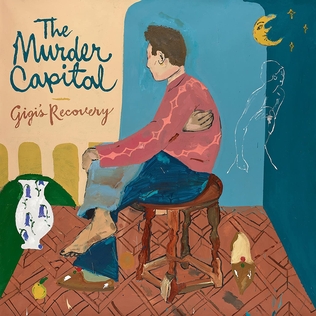
Gigi’s Recovery- The Murder Capital ★★★★

YearAlbumArtistStarsScoreGenre
2023Gigi’s RecoveryThe Murder Capital★★★★85RockAlternative RockPost Punk

The Murder Capital get’s the “Irish post punk band that’s a lot more creative than we thought they were” award for 2023, carrying the title that Fontaines D.C. and Shame proudly claimed the previous two years. It might not be as heavy weighty and droning as Fontaines D.C.’s Skinty Fia or as technically proficient as Shame’s Drunk Tank Pink, but The Murder Capital’s second record Gigi’s Recovery has a vast sonic reach, with lyrics that are deeper than before  compared to their grounded debut. 

Artsy is the name of the game, with songs that build, change dynamics and keys, and aren’t scared to use different sounds. Look no further than the opening song on the album, “Crying.” The song has a simple soft driving drum beat and some dramatic isolated vocals on the verses that smoothly  build with a fluttering clarinet run leading into an emotional chorus, where the drums get more intense and guitars are layered in. But each time the verse returns, these unsettling, purring guitars come in underneath that sound like you’re listening to a revving motorcycle through the propeller of a helicopter.  The guitars get louder and more violent each time they’re introduced until they finally steal the show in this grand bridge.  

Every song on Gigi’s Recovery brings something a bit different, even if it all stays firmly within the genre of post-punk.

“Return My Head” is a great, straight-forward alternative rock track with headbanging energy and a catchy chorus. “Ethel” begins with these dark bell tones and a shaky guitar part that builds to a big, heartfelt climax. The guitar and industrial percussion on “The Stars Will Leave Their Stage” give off some Nine Inch Nails vibes. “Belonging” is an eerie ambient ballad with dissonant harmonics and bells, which is followed by “The Lie Becomes The Self,” a slow, dense guitar ballad. From there, the album starts leaning a bit more into math rock, with syncopated drums and angular, hypnotic guitar riffs on “A Thousand Lives” and “Only Good Things.” The title track brings one last buildup for a grand finale before the record fades away.

The Greater Wings – Julie Byrne ★★★★

YearAlbumArtistStarsScoreGenre
2023The Greater WingsJulie Byrne★★★★85PopSinger-SongwriterIndie Folk

Julie Byrne’s The Greater Wings represents the gold standard for what a traditional singer-songwriter album in the modern music landscape should be: lush, atmosphere-setting instrumentals that compliment a captivating, intimate vocal performance, with poetic lyrics filled with imagery and emotion. This is the way to do it. 

Julie Byrne doesn’t ask you to do too much. You don’t have to dive too deep into the lyrics or the artist to uncover meaning or to identify common themes. And, compared to so many of her contemporaries, you don’t have to sit through boring, derivative instrumentals just because you appreciate the lyricism on the record. 

The musical textures are so rich from beginning to end, with chamber-folk instrumentation that brings together string orchestrations, distant guitars and electronic accents that make the songs and her vocals feel almost one with nature. I think “Flare” is the standout track here because its arpeggiating guitar gives it a bit more momentum compared to the other moments on the album, but most tracks blend together in an aesthetically pleasing way. Because of that, The Greater Wings is always impressive, is always interesting and always extremely pleasant to listen to. 

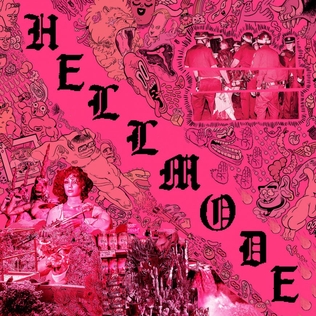
HELLMODE – Jeff Rosenstock ★★★★

YearAlbumArtistStarsScoreGenre
2023HELLMODEJeff Rosenstock★★★★82RockPunk

Jeff Rosenstock has done everything someone can in the punk world over the past two decades — headbanging, anarchist guitar and bass riffs; pop punk structures and anthemic group sing climaxes; ska, emo, alternative and indie rock instrumentation; melodic harmonization, hardcore screaming, and spoken word passages — all while celebrating and embracing his carefree punk lifestyle by singing about non-stop partying, politics, relationships and internal conflicts. 

Despite its name, 2023’s HELLMODE is actually one of Rosenstock’s least self-destructive records. There’s still plenty of thrashing guitar parts, drums that pound through you and fun, sing-along hooks. But the message is more about identifying who you really are, distancing yourself from those things and people you acknowledge are bringing you down, and reshaping your life so you can enjoy it the way you think you should, without having to worry about the expectations placed on you.

Even as the songs talk about his personal struggles facing the expectations he has for himself in music, or expressing his political views or just figuring out how to appreciate and accept his own happiness, the overall message encourages self reflection and preservation (if not always of the physical body). 

Top to bottom, the record is pretty darn easy to listen to. The opener brings classic Rosenstock energy, with a song that builds to an anthemic,  group-sung chorus. “Head” is a raucous mosher. “Liked You Better” opens with a fun, acoustic chord progression and a repetitive, pop punk chorus. “Doubt” leans more toward 90s alternative rock (there’s some Dinosaur Jr.-esque guitar work in there), while “Healmode” is a beautifully tender and reflective track. And the final two tracks do a really nice job balancing softer guitar work and sections with these grand, concluding moments with layered production, backing vocals and soloing guitars.