I’m a big fan of creative pop albums, but I was surprisingly underwhelmed by Pang, Caroline Polachek’s third solo record. A lot of the disappointment comes from her repetitive, elementary lyrics throughout the album.
Listening to Polachek’s lyrics mostly felt like what I imagine reading an eigth or ninth grader’s diary would be like — a lot of lines where they think are funny or clever or edgy because they talk about sex and relationships in a somewhat open way, but the metaphors aren’t nearly as creative or telling as the writer thinks. Maybe they’re fun for some, but they come off as lame and cringeworthily corny to me most of the time, and so generic and general that there isn’t much that seems relatable.
Pang does have solid electronic pop production and Polachek has a fine voice, which can actually carry an album pretty far as long as she doesn’t overdo some of the vocalizing. The atmospheric elements here all line up well to create a straight forward, ethereal pop record.
The overall sound here offers a bit more than generic radio pop, and a more emotional vocal performance even if I don’t like most of the lyrics. “The Gate,” the title track and “Ocean of Tears” were the standouts for me.
6 Feet Beneath The Moon is full of emotion, coming from a deep, raspy voice sung by an at-the-time 19 year-old, thin, ginger kid from London. It’s sparsely produced, with soft, mostly guitar and drum tracks that mix genres like folk, jazz, hip-hop and blues really well.
It’s not the most energetic album by any means, but the smooth instrumentals with King Krule’s distinct vocals create a really chill groove that just works for me. Most songs are stoner tracks, with either a dreamy, or dark, eerie synths filling the sound out in the distance. I visualize a crocodile quietly swimming through a city sewer at night.
There are also a handful of great moments that somewhat break the mold of the rest of the album—the high-energy, jazzy “A Lizard State,” the hip-hop influenced “Neptune’s Estate” and the guitar break on “Out Getting Ribs” come to mind.
The album’s admittedly one dimensional and low energy, which can make its 52 minute run time feel a bit longer than it actually is. I like it, but I’d understand if it dragged on for someone looking for something more fun or traditional from a singer-songwriter.
It’s interesting to have a band produce two great, very different sounding albums almost 10 years apart, with a lot of underwhelming, uncreative and forgettable stuff in between, but that’s what the Horrors did in 2018 when they released V.
The Horror’s sophomore album, Primary Colours, was more raw and rugged, with energized shoegaze and post-punk tracks that had garage-esque spontaneity. You can still trace V’s roots back to that, but it’s mostly hints of those genres mixed in with other elements that have been cleaned up and refined.
V gives you bits of atmosphere-building dream pop and noise rock, industrial drums clanging and guitars revving, electronic house synths and pulses, some groovy madchester basslines, and some traditional, sometimes anthemic, alternative rock hooks. The album is loud and aggressive, but, while one would probably expect it to be a muddy and overwhelming blend, the production is crystal clear and immaculately balanced.
The album is propped up by the fabulous opening three tracks. “Hologram” sets the industrial tone of the album flawlessly, opening with dissonant synths over a funky bass; a distant, wailing guitar leading into the track’s abrasive, echoing chorus, followed by a killer solo and calming piano outro. “Press Enter To Exit” is a more traditional alternative track that draws influences from 90s rock and dance production. Then, the aptly named “Machine” returns to a more abrasive, industrial style—loud with distorted guitar builds.
The finale, “Something to Remember Me By,” is a dancy, synth-pop ballad that’s probably the album’s best song.
It’s fun to listen to start to finish, as you get a truly unique and seamless blend of genres, and even within the softer songs in the middle of the album, there are these explosive, sprawling set pieces that take over and demand your attention.
Playboi Carti is an artist who has always been more about vibe and aesthetic than substance. His beat selection mixed with adlibs, repetitive hooks and lyrics make for a hypnotic, non-stop, “get hype” experience that all runs and flows together.
Whole Lotta Red, Carti’s late 2020 release, is not nearly as seamless or effective as its predecessors Die Lit or his self-titled mixtape. While the album for sure has some highlights, and you have to applaud him for experimenting and changing things up a little, its lows are far worse than any misses on his first or second albums, and the gothic, vampire aesthetic Carti’s going for shows up in ways that feel forced or manufactured instead of actually creating a darker atmosphere.
A distraction on Red is actually Carti’s vocal performance itself. In the past his vocals were used more like an instrument than something meant to deliver a message – they were almost always synthesized in some way, or mumbled, and intentionally incomprehensible. On Red, his voice is much clearer and more traditionally produced, which makes it easier to realize that his message has never really had any substance to it at all.
Part of the album’s uncharacteristic lack of consistency is probably a product of the songs being produced not exclusively by Pi’erre Bourne, whose distinct, bouncy production style fit perfectly in the past with Carti’s energy. Bourne works on a few tracks here – “Place” and “ILoveUIHateU” – and his influence can definitely be felt on others like “Beno!” and “Teen X.” Cardi feels much more in his element on these tracks, but his performance overall feels like it lacks direction elsewhere.
I tend to be drawn more to the softer tracks and those that were more traditional Carti than the new aesthetic. “New N3on” has those old-school Carti vocals and “F33l Lik3 Dyin,” features an airy Bon Iver sample and light vocals hovering above some dark, pounding bass. “Control,” “Sky” and “Beno!” are also really solid.
Some of the songs that follow the new direction are also good. “Go2DaMoon”’ uses some dark synth strings and an off-the-rails Kanye feature that feels a little on edge and paranoid. But, for the most part, the darker songs like “Rockstar Made,” “On The Time,” “Vamp Anthem” and “No SI33p” sound like a guy fucking around with the settings on a Yamaha keyboard and repeating the first thing that pops into his head over and over again. They’re still hype songs with energy, and I’m sure they’d be fun in a concert, but across a 24-track album it’s a bit too much and a little underwhelming at the same time, and can desperately use a few more features to change things up a little.
Vince Staples has done it again, creating another highly-consistent and cohesive hip-hop album in RAMONA PARK BROKE MY HEART, which sounds both very different from anything he’s done before and also feels exactly like any other album Vince has put out.
This time — as the “Broke My Heart” part of the album’s title might suggest — Vince is more personal, reflective and sadder than ever, although it never sound too doom and gloom. He raps over some R&B styled beats for the first time in his career, and his subdued, but personal storytelling style fits it perfectly. Some of the beats are darker and feel like a nighttime vibe, while some of the warmer tracks feel they’re nostalgic, summer songs.
The album’s lead single, “Magic,” produced by Mustard, and “Lemonade,” featuring Ty Dolla $ign, are two of the closest things to a mainstream radio track Vince has ever put out, but fit right in with the rest of the record. Not an artist that relies heavily on feature artists on his records, Lil Baby’s verse on Easy Point Prayer is a welcome addition. Vince also has a number of deeper cuts here, like “When Sparks Fly,” which stand up with his great songs of the past.
Similar to his self titled record, which was released less than a year prior to RAMONA PARK BROKE MY HEART, this album is missing a little bit of energy, and Vince’s “too-cool to show a lot of emotion” vibe makes it feel there should be a little more here, but it’s hard to complain about a breeze, 16-track, 42 minute record of high-quality lyrics and seamless production.
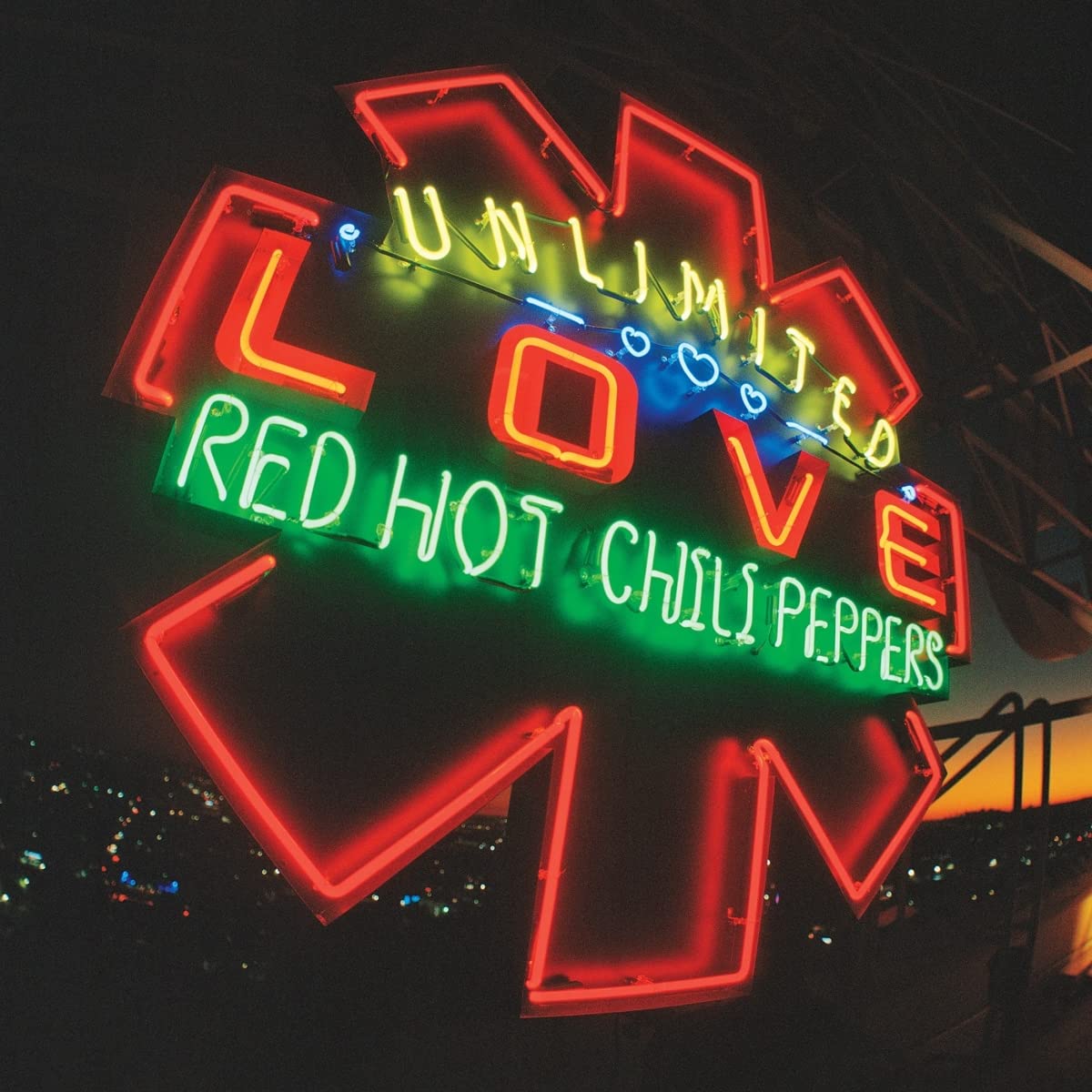
With legendary guitarist John Frusciante– whose contributions in the past had lead to the Red Hot Chili Peppers’ best works like Blood Sugar…, Californiacation, By The Way and Stadium Arcadium – again in the fold, there was a little optimism that the once mighty band of the 90s and 2000s maybe had some more life left in the tank after the band’s almost eight-year hiatus. After all, a lot had changed in music and the world since 2016’s The Getaway was released, and that album itself was surprisingly successful. For some of its shortcomings, The Getaway produced a handful of solid singles and deeper tracks that were fun and felt like quintessentially Red Hot Chili Peppers tracks.
Unfortunately, the rollout of singles leading up to Unlimited Love in early 2022 were hardly hits or energizing, and hearing LP No. 12 now, the whole album is lackluster and sounds uninspired. There are those signature Chili Pepper elements, like Anthony Kiedis’ sometimes nonsensical vocals, Flea’s slappin’ bass riffs and the mix of alternative, funk and beachy vibes we’ve been trained to expect from the California rockers. But the performance feels flat and uncreative — a group of guys going through the motions of making songs together again instead of feeling inspired to find that spark again.
Unlimited Love is not awful, and there isn’t anything particularly wrong with any one song. This configuration of the band will always have a few fine hooks, an interesting vocal harmony here and there, some thoughtful guitar and bass lines throughout, and some fun, goofy moments. That’s still true, and tracks like “Here Ever After,” “One Way Traffic,” and just fine, if a bit unmemorable.
But, as you listen track by track, you find yourself looking for reasons to keep listening and to like it. It’s hard to admit you’re listening just in the hopes of capturing a glimpse of a legendary band we all loved for the better part of two decades, but those days seem firmly behind them.
The production here is the star. Grand Puba’s 2000 features some smooth, chill, jazzy hip-hop production that’s really easy to listen to. There’s a nice, laid back kick drum, some soul samples and nice bass lines.
It’s just a step below A Tribe Called Quest’s signature sound, and overall feels a little like a generic, but it still works and is a good record to throw on and have grooving in the background to create the right mood.
The lyrics overall are very average, and Puba’s performance is energetic but not too memorable, so there isn’t too much depth to be drawn to. But, if you don’t try to compare it to the best jazz rap records and artists of all time, it gets the job done and fits into the genre just fine. “I Like It” and “A Little of This” are the two signature songs here, and “Amazing” is pretty solid, too.
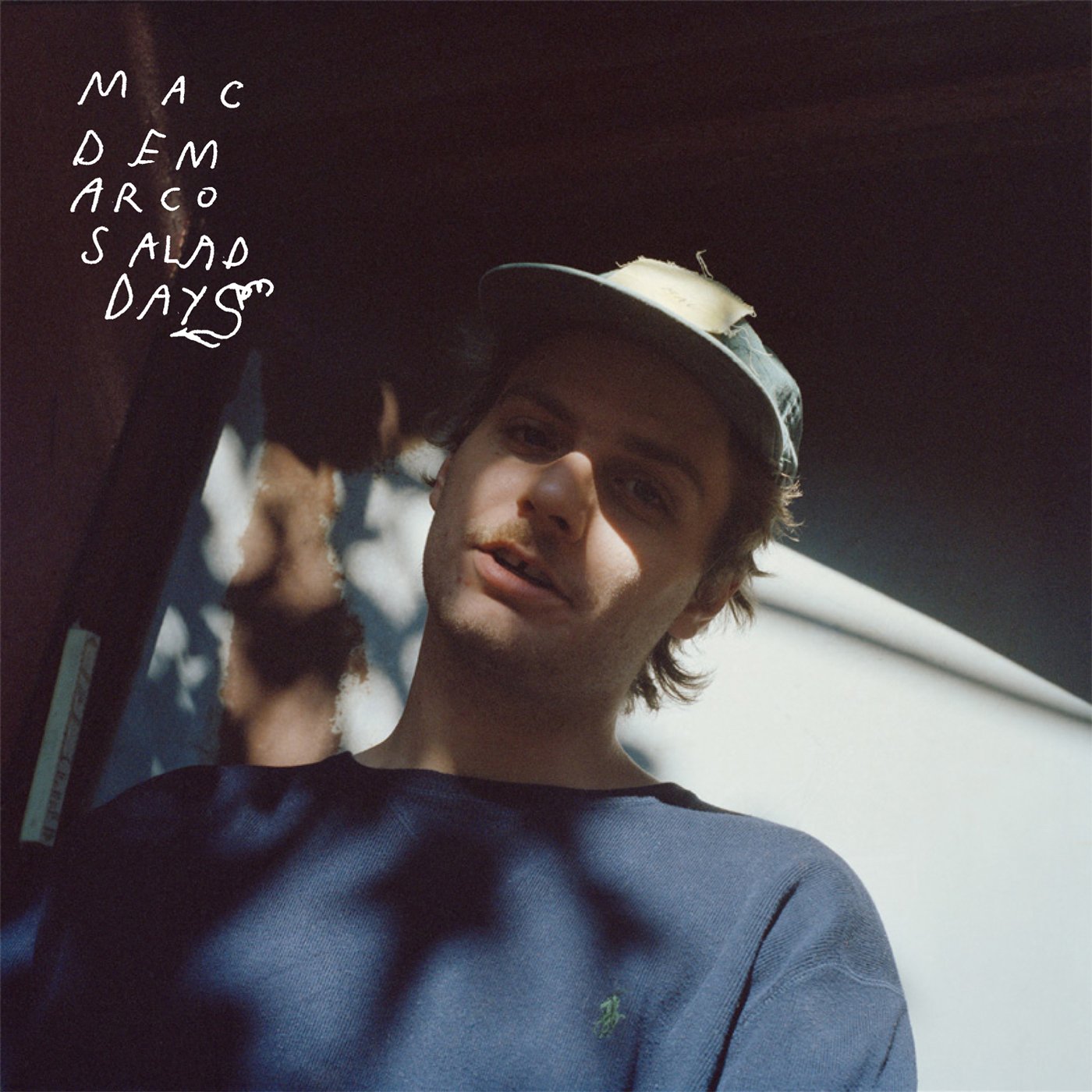
Mac DeMarco is a man who knows what he’s doing and knows how to do it well. A lazy, drowsy, trippy, aimless 34 minute collection of short songs like Salad Days is absolutely not for everyone, but for some – especially those who enjoy certain recreational activities – this is just what the doctor ordered.
His voice is authentic and somewhat soothing in the way it sounds familiar and friendly. The almost out of tune guitars mix with the lo-fi synths to create this hypnotic, psychedelic tension and atmosphere almost in the same way the Beatles would on Magical Mystery Tour or Sgt. Pepper.
Salad Days is in no way the creative feat of those pioneering 60s albums, or anywhere near as good. But it is distinctive, warm and comforting, and Mac’s first legitimately good album after his early-career records were highly consistent and one dimensional, but left a lot to be desired.
“Chamber of Reflection” and the title track are the album’s two obvious stars, while the rest are all kind of interchangeable. Sometimes you can get a little lost or distracted because a lot of it is so similar, but each track does a little something with the guitar or effects that makes it worth your while.
If you want to get a taste of what Mac DeMarco is all about, this album is a perfect sampling of everything he has to offer. It’s 42 minutes of Mac at his most DeMarco-y – chill, intimate bedroom pop vocals, with lo-fi acoustic guitar, bending psychedelic riffs, vaporwave-vibed synth chords and a laid back drum kit.
Like all of his music, This Old Dog is a good summer album to kick back and relax to, whether that’s floating in a pool with a beer, watching the sun go down from the porch or looking up at the stars on a warm night. Some moments are a little more intimate, some a bit more trippy, some more goofy, but it’s all very well stitched together.
Compared to Mac’s shorter, one-dimensional records of the past, this one feels fully formed sonically and is lyrically more mature. That more manicured feeling might take away a little of the youthful spontaneity found on his previous records, but it also makes This Old Dog more varied, smarter and more relatable. It’s also more somber and reflective than his past works.
“On the Level” and “For The First Time” have riffs that are as catchy and distinctly Mac DeMarco as those on his past hits, “Chamber of Reflection,” “Freaking Out the Neighborhood” or “The Way You’d Love Her,” while the more personal and a little sadder sounding tracks here like “Still Beating” and “My Old Man” are great songs that he just wouldn’t have been able to pull off earlier in his career.
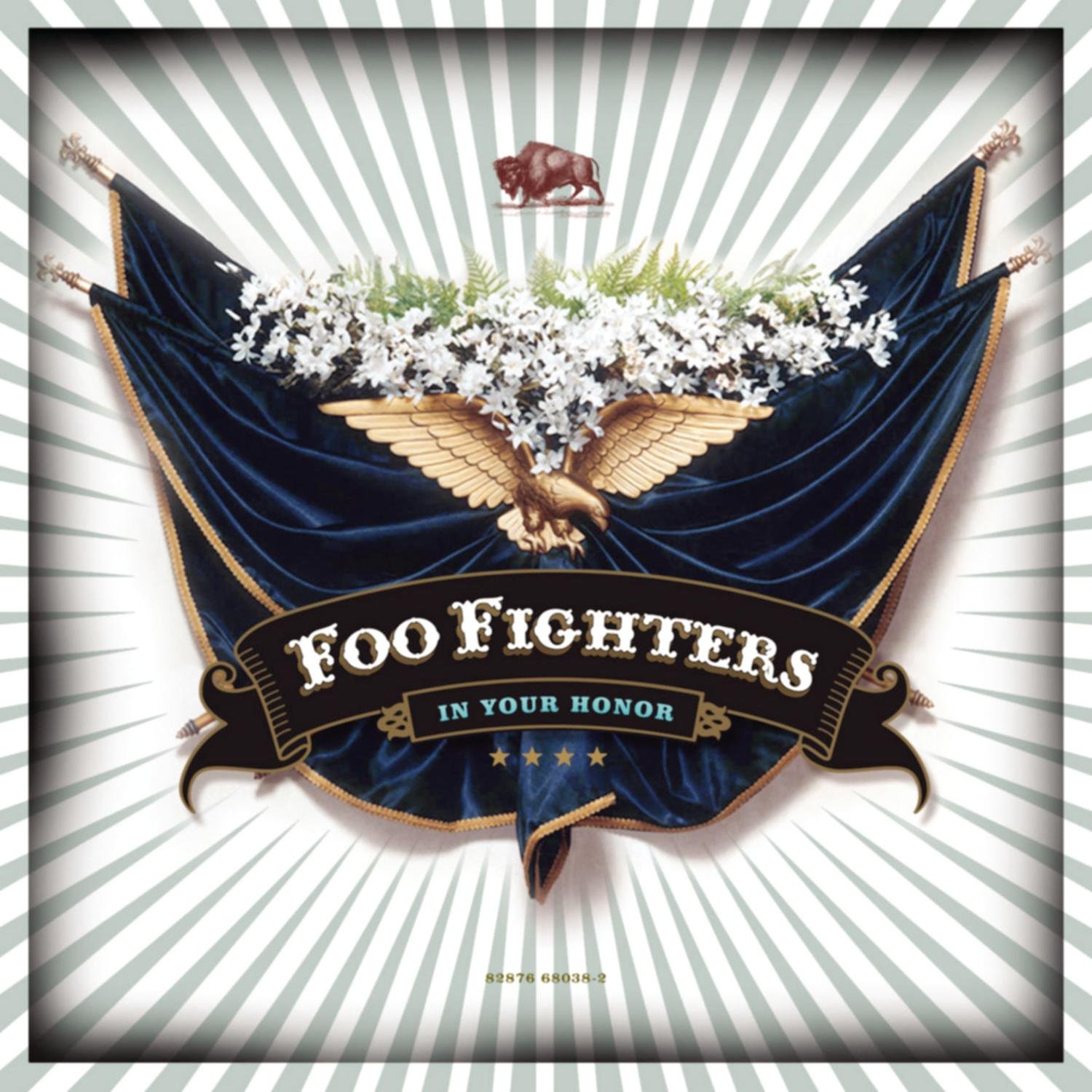
Double albums are almost always difficult to rate or justify, but Dave Grohl and Co. do a solid enough job to warrant one with In Your Honor, a two-disc, hour-and-a-half project that very clearly separates the band’s hard-rocking roots and gentler acoustic side.
Disc One includes pounding drums, upbeat guitar riffs, Dave’s iconic shouting vocals, and all of your expected rock-radio kind of hits. The opening six tracks are unassailable; “Best of You” and “DOA” may have been popular due to their radioplay, but, honestly, almost any of the tracks on Disc One could have been hits if the band had decided to go with them as lead singles. “In Your Honor,” “No Way Back,” “Last Song,” are all near the top of the band’s catalog.
Disc One does lose some of its steam near the end, but with an emphasis on song builds and in-your-face, almost anthemic choruses, one would hardly get bored or disappointed with “The Deepest Blues are Black” or “End Over End.” Overall, the first disc is probably a high 3.5 star album, maybe even a 4, boosted by the high-end tracks.
Whatever Disc One did, the second tries to be good doing the opposite. It show’s the band’s acoustic, more restrained side. There are string orchestrations and pianos instead of reverb, layered acoustic guitar work absent of almost any electric guitar pedals, and Tyler Hawkins usually frantic, heart-pounding drums are replaced by a muted set, simple hat hits and tambourines.
“Cold Day In The Sun,” sung by Hawkins, is the closest thing to a classic Foo Fighters hit in the group, but even as clearly the most upbeat and fun moment on the disc, it contrasts with most of the heavier guitars the band’s known for. “Virginia Moon” and “Over and Out” are side highlights, with the closing track “Razor” as possibly the best track of the entire project.
Most songs on Disc Two are fine, but there is a pretty clear set of really good songs and some others that are more forgettable. And while individual tracks could have stood out as tender moments on a different record, smushing all the like songs together kind of takes away that potential impact. With a few weaker moments, and most of the better tracks near the back end of the disc, I think it’s probably a low 3, or maybe 2.5 stars if you’re just craving something a little more upbeat.
So in summary, each disc definitely works as its own, individual chapter, with the two opposite vibes and clearly justifying them to be separated. You could also for sure make a 4 star, maybe even a 4.5 star album by picking and choosing your favorite 12 or 13 songs. A right-sized In Your Honor, with the Foo Fighters really clicking on all cylinders during this era in terms of hit making and ambition,could have been the band’s best record. But, listening to all 20 songs in one sitting, start to finish, probably isn’t the ideal experience.





 Fresh Out The Deli