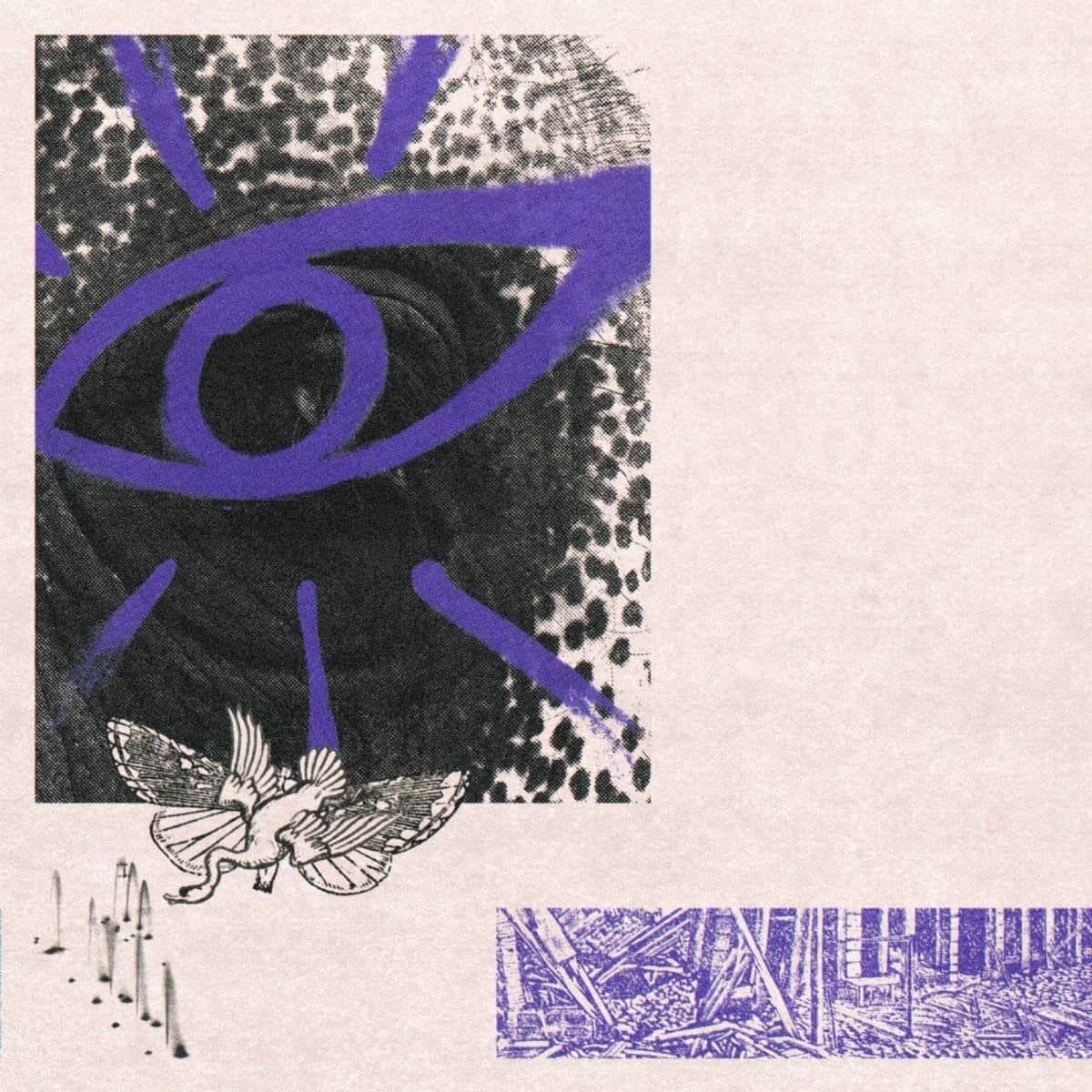
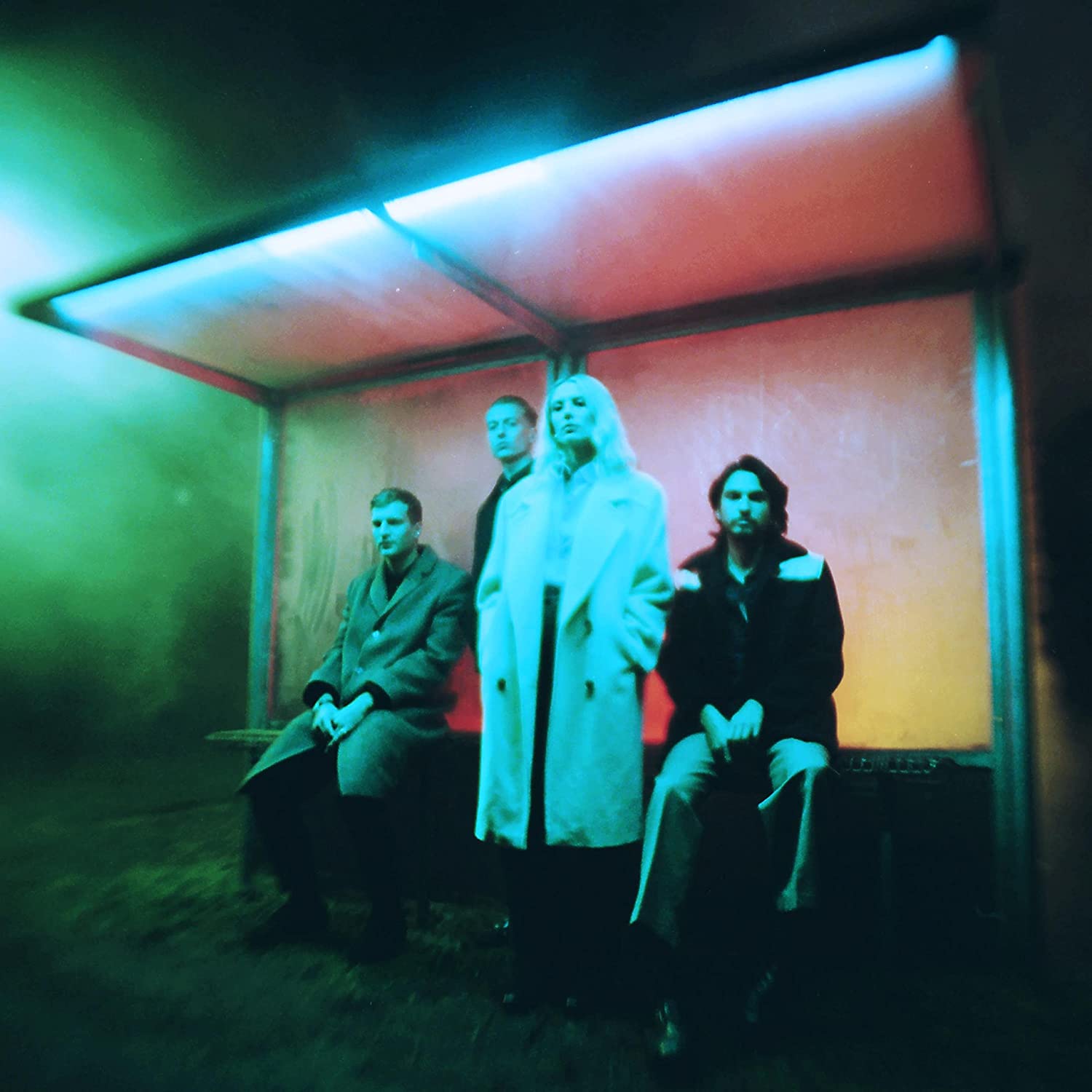
Blue Weekend – Wolf Alice ★★★★

YearAlbumArtistStarsScoreGenre
2021Blue WeekendWolf Alice★★★★82RockShoegazeDream Pop

I was a big Wolf Alice fan back when their debut album came out in 2015, but their 2017 follow up lacked a lot of the emotion and raw energy that drew me to the band to begin with. 

2021’s Blue Weekend shows a widening of their sound, as the band grew more towards a direction that’s a bit softer and more ethereal, while still sometimes unleashing the loud, energy that’s always drawn me in. 

The biggest change here is that the band fits into the dream pop scene much more now than before. Arpeggiating chords, simple keyboard synths, some heavy downbeat accents in the percussion section, and loud, shoegaze-style choruses. Their previous album touched on a lot of these elements, but felt like they were trying too hard to do something cool without really executing or fully committing.

Now it’s working, and that dynamic range is pretty fun to listen to. “Feeling Myself” starts soft but has this slow, shoegaze explosion of a chorus that kind of oozes with coolness. There’s the intimate piano transitioning into a big, triumphant finale in “The Last Man on Earth.” And then there are the two softest tracks – “No Hard Feelings,” a beautiful and simple song that follows a soft guitar line through a haunting synth choir,  and “Safe From Harm” – which contrast really well with the two loudest songs – “Smile,” a bright rock track with a Smashing Pumpkins sounding guitar screech, and “Play The Greatest Hits,” a raucous crowd pleaser that was surly thrown on the record for holdouts like me who complained about their less aggressive 2017 effort. 

Other album highlights include indie-pop influenced “How Can I Make It Ok” and “Lipstick on the Glass” – the best possible version of a Phantogram song – and “The Beach II,” which probably hits the shoegaze angle the hardest.  

I really do enjoy every song on this record. Blue Weekend might not be the high-octane rocker I’ve craved since Wolf Alice’s debut, but I really think the album works and the softer tunes are absolutely welcome.

Lucifer On The Sofa – Spoon ★★★½

YearAlbumArtistStarsScoreGenre
2022Lucifer On The SofaSpoon★★★½72RockAlternative RockIndie Rock

As expected, Spoon’s 10th album and first since 2017’s Hot Thoughts feels almost exactly like their nine previous records. Spoon is likely the most consistent active band. None of their albums are great, but they’re all good, pretty easy to listen to, and you can count on there being two or three tracks that you’ll  give some spins. 

For Spoon fans, Lucifer On The Sofa is exactly what the doctor ordered – a big, clean, indie rock sound fit for radio. There are a few tracks that are upbeat and guitar driven, but that never get too loud or heavy. There are a few ballads with pianos and some synth keys thrown in, but that never get all that soft. The rest are typical mid-tempo, slightly quirky indie rock tracks. 

The opening two tracks come off a bit flat to me. Starting things off with a cover is always a strange choice, especially when you add musical cues and some behind the scenes chit-chat going on that’s completely absent from the rest of the record. “The Hardest Cut” is a pretty subpar single for Spoon, and doesn’t really go anywhere, but the album itself does pick up for there. 

A lot of the songs follow a structure that allows them to build up slowly and effectively, whether it’s adding in some horns, a synth, another guitar layer. “Wild” is a much better single, with a nice build that’s a little like a soulful Primal Scream track out of the early 90s. “Devil & Mister Jones” has a cool, very smooth early 2000s-style guitar riff and some dark harmonies, with horns and keys added as it goes. 

The album’s two softest tracks, “My Babe” and “Astral Jacket” are two of my favorites, with the latter bringing some ethereal elements like those that Spoon fooled around with effectively on Inside Out. 

And overall on the album, the guitar work is subtle, but effective. Each short solo adds a little something to the mix and propels things forward. 

Essentially, most of the tracks here are single quality, fun rock songs, and even if it feels formulaic and there isn’t anything here that’s too new or groundbreaking, if you look around you can find some real nice accents that do make it one of Spoons best records.

The Lemon of Pink – The Books ★★★

YearAlbumArtistStarsScoreGenre
2003The Lemon of PinkThe Books★★★63ElectronicFolkIndietronic

The Book’s The Lemon of Pink is an odd, experimental record that mixes a lot of samples and electronic bleeps with some folk sounding acoustic guitars, live instruments and occasional vocals. 

There’s a lot going on within each song and on different sections of the album, that each moment can really bring you to a new place. There are some moments that are up beat or happy, moments that are darker or more reflective, some childlike elements, some that are really artistic and orchestral, and some that are pretty random and glitchy. They put you through a whole range of emotions and sounds and styles, but while being grounded in the way they do it. 

It’s pretty fun, and for an album that is this sample heavy and electronic, there’s a lot of life and humanity in it. I specifically enjoy all of the songs where they use the guitar to simulate a harpsichord, like “Tokyo.” “Take Time” is probably the most likey song to be picked as a single, if radio stations were ever to play short, experimental electronic rock songs, that is. 

Overall, I don’t think there’s anything on here that I didn’t like, but even though the music’s cool, the segmentation, choppiness and sometimes randomness of it makes it hard to get heavily invested in any of it that much. 

The 3 or 4 songs that I did like individually were “Tokyo,” “Take Time,” “There Is No There,” and “A True Story…,” but the rest did have me humming along. The album as a whole is definitely more powerful and interesting than any one track or element, which could be seen as both a good and bad thing. 

LP3 – Hippo Campus ★★

YearAlbumArtistStarsScoreGenre
2022LP3Hippo Campus★★41PopIndie Pop

Hippo Campus is a band that’s never quite known what they wanted to be, while at the same time always being the same thing. 

Their debut EPs and singles all featured cutesy, upbeat (and often offbeat) indie rock tracks, with syncopated, bubbly guitar riffs and summertime vibes. Their first full-length record ditched some of the more intricate elements of their instrumentation, instead going with a more straight, flat sound. But still, they had their bubbly charm. Bambi then followed that up, introducing more atmospheric and electronic elements that felt tacked on and muddied the indie rock vibe. 

Now on LP3, most of those rock roots and elements I was originally drawn to have been stripped away entirely for synthetic production, processed vocals and radio-bait pop structures. They’ve always been indie pop, but now feel more like a Vampire Weekend or Glass Animals knock-off band than something original. 

There are some good songs on LP3, with the opening two tracks bringing some energy, and the band sprinkling in some rumbling, choppy, distortion that’s kind of interesting. The album’s single, “Ride or Die,” definitely wears its Vampire Weekend influences on its sleeve, but is a fun, warm song nonetheless. 
Other than that though, LP3 is a collection of songs that are so blatantly poppy and vanilla, that it’s hard to get much of anything out of them. It sounds fine and happy most of the time, and is hardly offensive or grating at all, but a lot of songs fail to impress in any meaningful way. We’ve heard it before, and we’ve heard other bands (including Hippo Campus) do it better over the previous decade.

Homogenic – Björk ★★★★

YearAlbumArtistStarsScoreGenre
1997HomogenicBjork★★★★81ElectronicArt PopTrip-Hop

Released two-years after Post, Björk’s most commercial and somewhat scattered record, Homogenic really dug into some of the darker, colder and trip-hop based sounds she had used from time to time in the past. 

The best part of Homogenic is the instrumentation (if that’s still the word you use to describe different synthetic sounds on an electronic album). Björk is always able to mix different genres and styles in a way that feels cohesive. Ambient synths, orchestral flourishes, drum machines and her always-unique voice and lyrics mix together in a way that each track feels like it belongs on this record, and this record alone. It’s dark, it’s sad, it’s always sparse, but as a total package, it’s full of different sounds and colors. 

Homogenic is also much more emotional than typical pop or trip-hop music, thanks in large part to Björk’s vocal performance. It could be extreme or grating at times, because her voice is so strange, identifiable and overbearing, but the range she provides carries you forward. I think the clear emotions are one of the things that differentiate it from her first two previous records, both of which are interesting, but lean more on pop and dance elements over experimentation. 

From song to song, the louder, more intense songs on Homogenic do stand out. Those would be “Hunter,” “Joga,” “Bachelorette” and “Pluto.” They bring energy when the other, softer, intimate or more reflective tracks slow you down. “Bachelorette” and “Hunter” in particular standout to me as songs with sounds and energy that I really can’t get from any other artist. 

An additional highlight, “All is Full of Love” is a fabulous closing track that can take your breath away.  It’s probably the best of the softer songs on the record. (The more layered production on the alternative version released as a single is beautiful in its own way)

Like on every Björk album, some of the stuff she does and some of the lyrics she writes come off as a little odd, or playfully annoying and miss the mark. I also think this album does have a little bit of an issue with balance and flow song to song. It works, but having the more high energy tracks at 1, 2, 4 and 9, you do go on a run from 5-8 that’s a little low key.

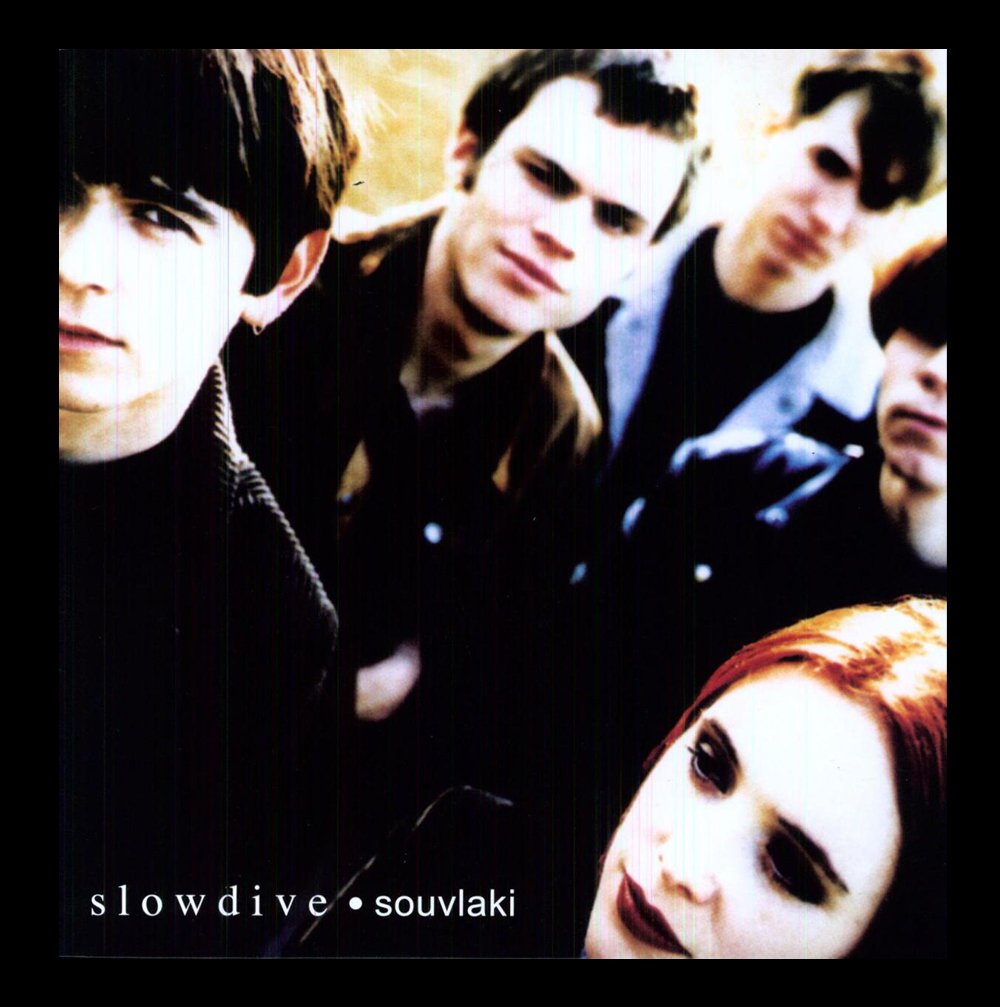
Souvlaki – Slowdive ★★★½

YearAlbumArtistStarsScoreGenre
1994SouvlakiSlowdive★★★½71RockShoegazeDream Pop

When I think about what shoegaze music is and sounds like, Slowdive is usually the first band that comes to mind. Out of any band, they create the cleanest, purest version of that quintessential shoegaze sound – loud choruses that create ethereal landscapes with layers of distorted guitar, atmospheric synths and drowned out, whispered vocals; frantic lead guitar strumming that soars to the top of the mix either as a surprise solo or a transition from verses to chorus; softer, grunge-style verses that feature dissonant, bending and flanged guitar work and slow, heavy drums. Everything they put together sounds so clean and deliberate, compared to most other shoegaze acts that produced a muddier, fuzzy, dark, garage sound. 

At its peak, Souvlaki is peak shoegaze, but it is an album that gets propped up by three or four great tracks, while the others are all fine. 

I adore “Allison,” “40 Days” and “When the Sun Hits,” three songs that would be criminal exclusions from any shoegaze mixtape or playlist. 

However, the slower songs on the album don’t quite do it for me all the time. They all have potential and good elements, but kind of blend together, and I think other than “When The Sun Hits,” the back half of the record is a little weak. “Sing” has that sour-sounding lead guitar that feels a little too on the nose for me. “Space Station” has some intensity, but tries to do a little too much without ever really gelling together. “Altogether” serves as a change or pace but isn’t all that interesting. 

Most of the tracks do something that is great or interesting, but don’t quite reach their potential. That’s not particularly surprising for what, at the time, was a young, emerging band within a somewhat unexplored and expanding genre. 

All in all, Souvlaki may not my absolute favorite shoegaze record, but is a great introduction into the genre for anyone wanting to test the waters, and a great comfort album for diehards wanting to listen to something good that they don’t have to think too hard about. It’s really good music and absolutely a classic.

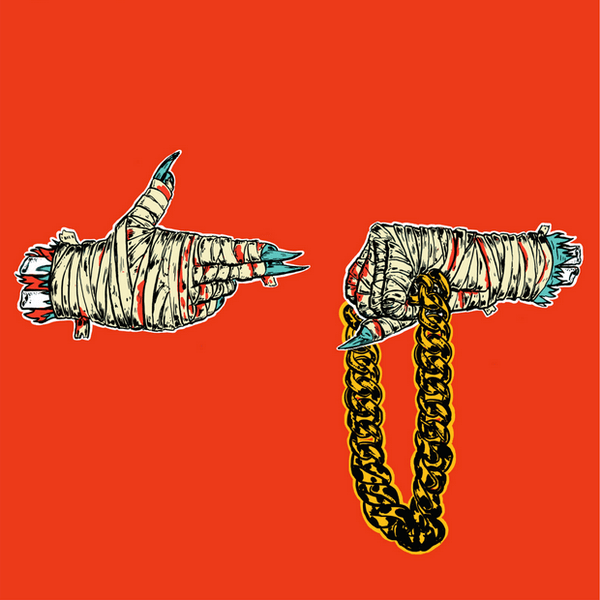
Run the Jewels 2 – Run the Jewels ★★★½

YearAlbumArtistStarsScoreGenre
2014Run The Jewels 2Run The Jewels★★★½74Hip-Hop

Run the Jewels is such a consistent group that it’s hard trying to judge any of their albums against one another. They each have their big highlights. They each show Killer Mike and El-P’s growth as songwriters and producers. And they each have a few songs that aren’t bad, but that you could probably do without. 

On RTJ 2, those highlights are pretty clear, and come early on the record. The album’s opener is in-your-face energetic, and “On My Darling Don’t Cry” and “Blockbuster Night” somehow continue to build upon that intercity.  “Close Your Eyes” is a bit more traditionally structured song but you can’t help feeling like a total badass listening to it. Its beat is reminiscent of a heavy, steel door mechanical sliding open and slamming shut, and the song has some lyrics that you can’t help but say every time they come up. It’s an almost exhausting four-song run to start a record. 

The album is extremely fun most of the time, internationally over the top and bombastic, and almost always smart, or dumb in a clever, creative way.

If I had to add a bit of a descriptor to differentiate RTJ2 to their others, I’d say it’s probably Run The Jewels’ loudest record overall, and some of the goofiness on this record in particular isn’t replicated anywhere else. RTJ2 is also a little more one dimensional than their others, which makes it in my mind very slightly less fulfilling. 

Also, once you get past the first four tracks, the rest of the album takes a slight step down in quality and energy. Tracks like “Lie, Cheat, Steal,” “Early,” “Crown,” and “Angel Duster” are all good – and in a concert setting, this whole album rocks – but I don’t think they’re among the best RTJ tracks ever.  

If all you want to do is party and get hyped, this is the album for you. If you’re hoping for a bit more diversity or seriousness, some of RTJ’s others may better scratch that itch.

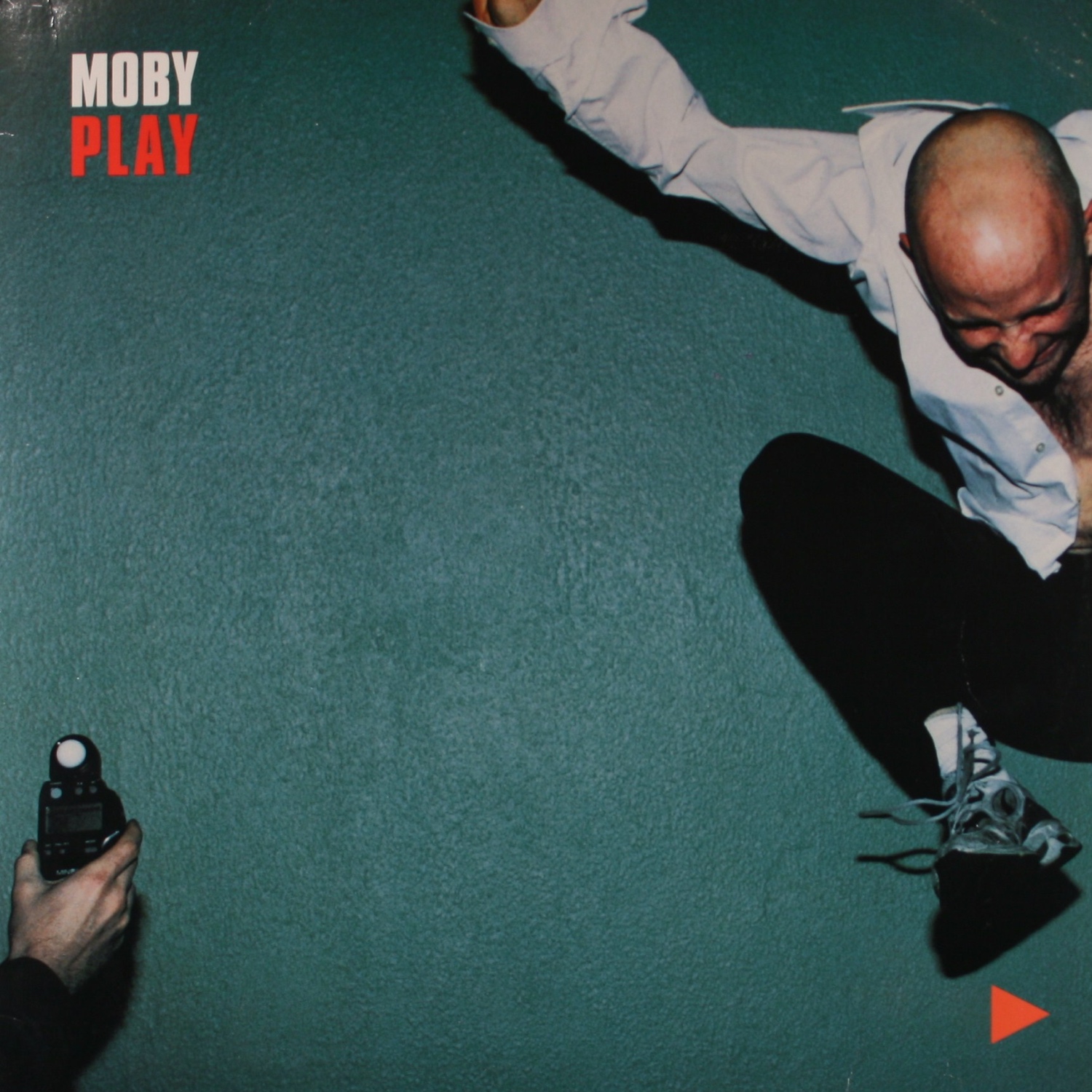
Play – Moby ★★★

YearAlbumArtistStarsScoreGenre
1999PlayMoby★★★60ElectronicArt PopTrip-Hop

The thing that makes Play a fun listen is its lack of focus. Moby uses a smorgasbord of 90s electronic and pop elements on this record, and instead of trying to meld them together to make something new or fully cohesive, he gives each genre its own song or two to shine. Because of this – and the fact that there are eight total singles that came off this album, each of which received radio play and have appeared in various media in the years since – Play ends up feeling more like a greatest hits compilation and a traditional studio album. 

The accumulation of all the different things you get here – with the electronic production, the blues and folk samples, the live vocals, acoustic guitars and pianos – creates overall a pretty engaging album that comes off like a homage to the different things from the 90s – whether that be breakbeat techno, trip-hop and downtempo, ambient or rock.

However, as much as I want to praise Moby for diving into so many different areas, a lot of tracks fall a bit flat. Most of the tracks are like the diet coke version of the different styles. It’s sweet, it sparkles, it’s soda, so it’s a bit addicting, and it’s better than something flavorless. But at the end of the day, diet soda (for most of us, anyway) is never better than the real thing. On Play, while Moby is making trip-hop, downtempo, breakbeat and ambient music that fits into the era, he isn’t doing it as well as Massive Attack or DJ Shadow, he isn’t doing it as well as The Prodigy or The Chemical Brothers or Fat Boy Slim, or Air, or Boards of Canada. 

The songs are catchy, but not addicting; they’re clean, but not fresh; they’re up beat, but don’t make you want to jump for joy; they’re chill, but not deep and atmospheric. And everything brought together under one roof weakens the package and effectiveness as a whole. 

Play is also way too long for its own good, and the back half of the record is a lot more lowkey and chill, with a lot of the stronger, upbeat singles like “Southside,” “Porcelain,” and “Honey” right at the top of the record. 

I think it’s an album best approached by picking and choosing your favorite songs to throw on and enjoy from time to time, or as part of a playlist, instead of running through the record from beginning to end. There are good moments that are fun to listen to individually, and the album serves as a good primer into electronic pop of the era.

Bleach – Nirvana ★★★

YearAlbumArtistStarsScoreGenre
1989BleachNirvana★★★60RockAlternative RockGrunge

Not exactly the best representation of what Nirvana will become in the years that follow, but Bleach is an album that built the groundwork for an entire decade of music. 

Wailing, screeching guitars over a havey, distorted grunge fuzz. A thumping, muddy bass that works as a driving heartbeat with crisp drumming. Vocals that combine raw screaming, haunting harmonic moans and mumbled, stumbling lyrics for dramatic effect. 

You can still hear Kurt Cobain’s iconic voice through the more merkey sounds from time to time, but the album sound more like a lot of other bands that would get big in the years that follow – Alice in Chains, Soundgarden, Smashing Pumpkins, Queens of The Stone Age, even acts like Korn. 

Overall, Bleach is a good collection of songs that end up sounding a little too raw or scattered compared to the vast catalog of great grudge music that came after it as bands got more refined. But there aren’t any bad tracks, and two tracks really stand out above the rest. 

“About A Girl” is that classic Nirvana sound, with softer guitar strumming building up with Cobain singing with a clearer voice. And “Love Buzz” has a dark, groovy riff that’s catchy and creates a garage-rock vibe that’s a bit more upbeat than everything else on the album.

Ohms – Deftones ★★★½

YearAlbumArtistStarsScooreGenre
2020OhmsDeftones★★★½75RockShoegazeAlternative Metal

Through the three stages of the band’s life—an early rise at the height of the mid-90s nu-metal and hard rock craze, a slow fall into somewhat obscurity as the genre faded, and their resurgence as almost a 90s nostalgia act—Deftones has stayed true to themselves and continue to produce high quality alternative metal.

Maybe on its surface, Ohms is just Deftones doing what they do, but over time the band has continued to refine their skills and grow into one of the most consistent acts around.

Sure, no individual tracks will blow you away like the first time you heard “Be Quiet and Drive” on the radio in 1997, or will get even as close to as big of a genre-defining hit as “Change,” but song to song, Ohms is likely their most complete, accessible, and consistent project, and I think arguably even their best.

With “Genesis” kicking the album off, and the title track wrapping things up – my two favorite numbers on the record –the album is smooth and keeps its energy and momentum from beginning to end.